
Sometimes called “America’s Second Independence Day,” Juneteenth is the annual commemoration of the end of slavery in the United States. It is celebrated on the anniversary of Union Army General Gordon Granger’s arrival in Galveston, Texas, on June 19, 1865, to enforce President Abraham Lincoln’s Emancipation Proclamation of 1863 and free the remaining enslaved African American people there and throughout the Confederate states.
Juneteenth, which was declared a federal holiday in 2021, honors a major turning point in the centuries-long effort to insure justice and equality for all in America. There are many examples of people who have heroically championed this cause through the years — including several right here in Dutchess County, from the Abolitionist Movement through the Civil Rights Movement.
Here are some historically significant Dutchess County locations you can visit to learn more about these courageous figures who altered America’s social trajectory and planted the seeds of progress.
Also, be sure to check out several upcoming events that celebrate African American culture and heritage.
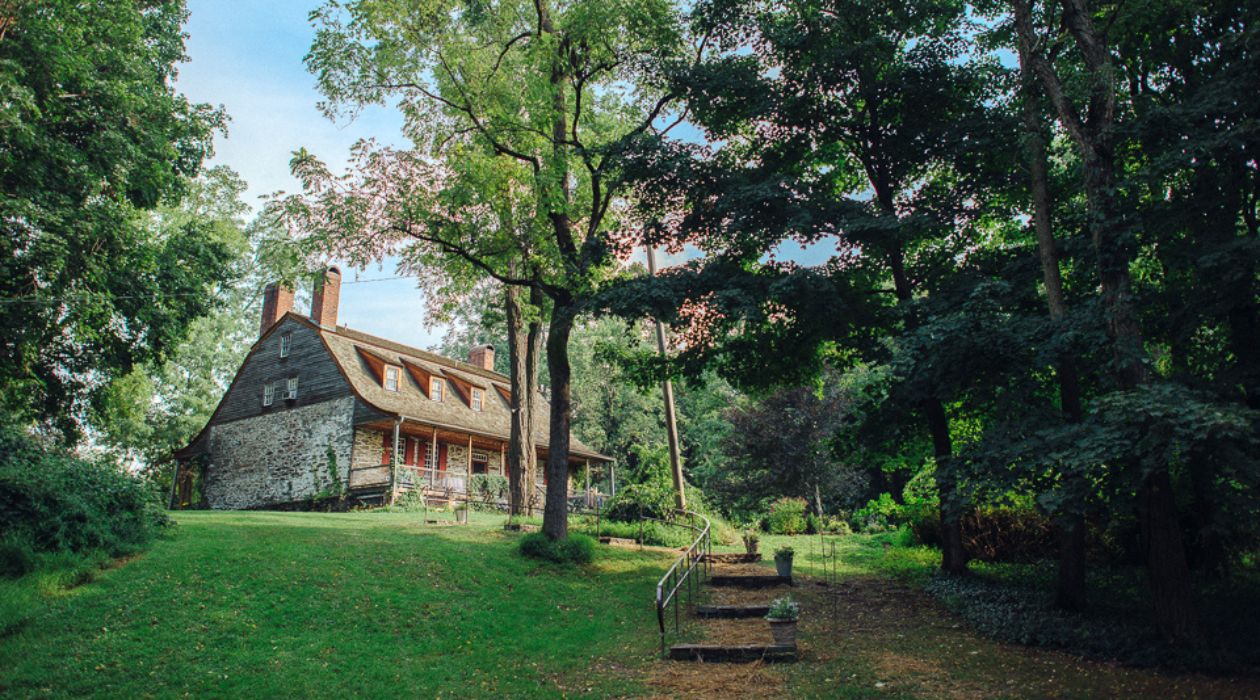
The amount of history documented at Mount Gulian is simply astounding and dates back roughly 8,000 years to the ancestors of the Wappinger indigenous tribe who inhabited the land along the Mahikannituck (Hudson River). A guided tour of the historic site highlights the many fascinating people and events that have been linked through the centuries to Mount Gulian, where the Verplanck family built their homestead around 1730, and where Patriot General Friedrich Von Steuben established his headquarters during the Revolutionary War. One such person is James F. Brown, an African American man who was born into slavery in Maryland, escaped to freedom in New York and was hired by the Verplanck family in Manhattan to be a waiter. According to the story passed down in the Verplanck family, a dinner guest recognized James and demanded that he be returned to his enslaver in Maryland. After some negotiations, Daniel Crommelin Verplanck reportedly paid $300 to buy James’ freedom. James later moved to Mount Gulian and, by 1829, was working as the estate’s master gardener, coachman, general laborer and most trusted property manager. For about the next 40 years, James kept a journal of everyday life, one of very few such accounts of life experienced by a Black person anywhere in America at that time (he somehow learned to read and write while still enslaved in Maryland). This journal contains details about James’ daily chores, gardening, local news and weather, and even some favorite recipes. They also reveal his patriotic feelings toward the United States and his desire to vote in elections like other men — which he did for the first time in 1837, as is reported in his journal. James died in 1868 and is buried alongside wife, Julia, in the Beacon St. Luke’s Churchyard. His journals are being preserved at the New York Historical Society in Manhattan, but selected transcripts are available at Mount Gulian. James was working at Mount Gulian at the time that Robert Newlin Verplanck was born there. The young Verplanck attended the prestigious Poughkeepsie Collegiate School and was attending Harvard when the Civil War broke out. After graduating from Harvard at age 20, Robert reported to the Union Army and was trained to be a volunteer officer in the newly formed United States Colored Troops. Robert led his troops into battle against the Confederates in Virginia, and his letters home to his mother and sister dramatically recall the courage of the African American soldiers, as well as their struggle to find their rightful place in the military and in American society. More than 200,000 African American volunteers fought to save the Union, and more than 68,000 were killed. Roberts’ 59 existing letters are housed in the Adriance Library in Poughkeepsie. Tours of Mount Gulian’s historic home, its 18th-century barn and its heritage garden are available each week on Wednesday, Thursday, Friday and Sunday from April 27 through Oct. 26. Advance reservations are preferred, but walk-ins are always welcome.
Related: Support Black-Owned Businesses in Dutchess
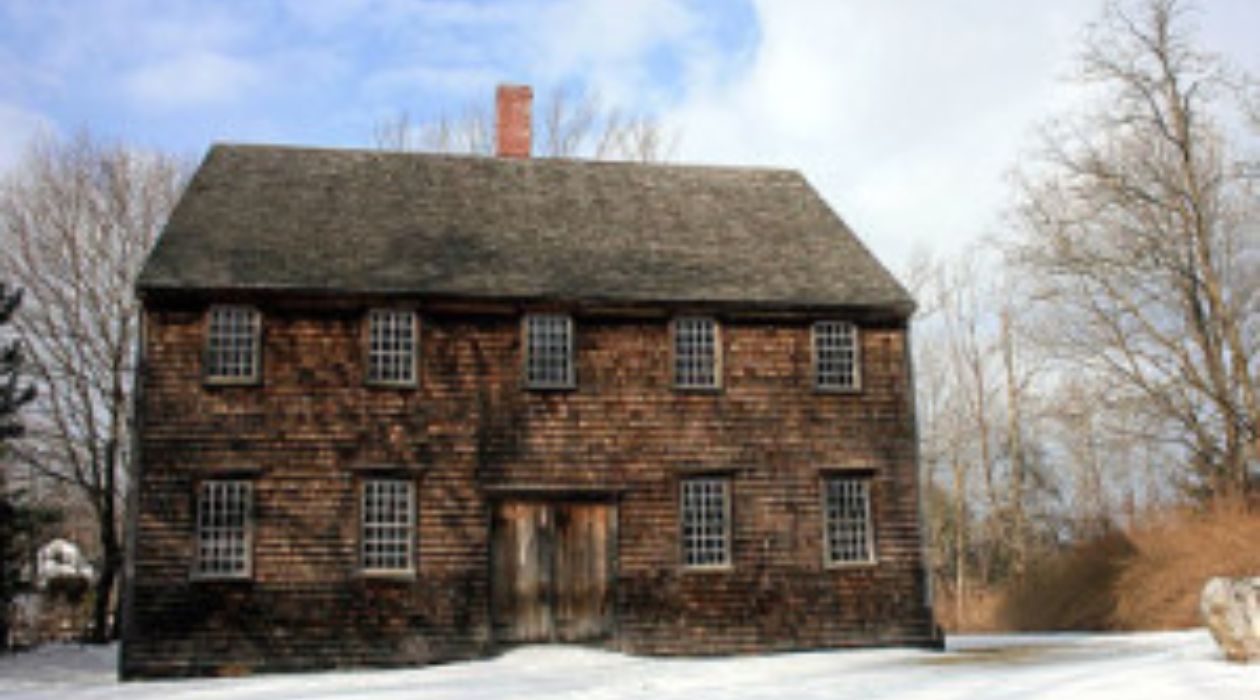
By the early 1800s, Dutchess County was home to the greatest number of Quakers outside of Philadelphia. Quaker communities denounced slavery as a grave sin and advocated for the freedom of enslaved people. In fact, the Oblong Friends community on aptly named Quaker Hill in Pawling was reportedly a stop on the Underground Railroad, offering shelter to those who risked their lives in search of freedom. The monthly Dutchess County Quaker Meeting House Tour series was a tremendous success in its inaugural iteration in 2025, and 2026 is shaping up to be even bigger. Tours will be held on the second Sunday of each month from June through November. Tour sites include the Oblong Friends Meeting House (Pawling), the Nine Partners Meeting House (Millbrook), the Creek Meeting House (Clinton Corners), the Beekman Meeting House (recreated at The Little Red School House, LaGrange), and the Crum Elbow Meeting House (Hyde Park). Sites will be open on a rotating basis, so be sure to check the schedule for availability.
Following the abolition of slavery in New York State in 1827, the New Guinea community, located on what is now Hackett Hill Park, became home to formerly enslaved persons who banded together, in part, to provide safety during this period of transition. The passing of the controversial 1850 Fugitive Slave Act required that self-emancipated freedom seekers who were captured — even in free states — were to be returned to their enslavers. As such, New Guinea also became a safe haven on the Underground Railroad, either as a permanent home or as a temporary stop on the way to Canada. Nowadays, the foundations of several homes from the late 18th and early 19th centuries can be seen along the road known as Freedonia Lane, which was the main thoroughfare in the community. Hackett Hill Park features public hiking trails that walk through this area, past historic stone walls and along the scenic Crum Elbow Creek. The site has been named to the National Register of Historic Places, and the Town of Hyde Park has boxes of artifacts recovered from the location during archaeological projects.
Related: Dutchess County's African American Burial Grounds
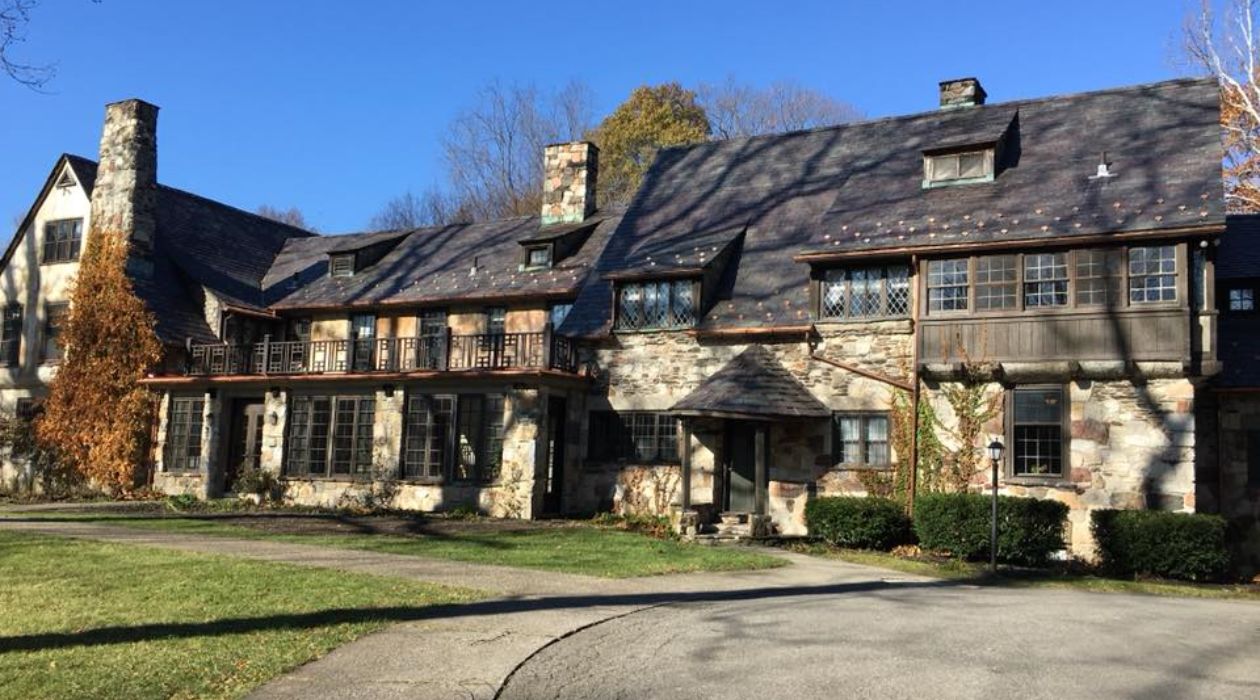
Tucked quietly away in the bucolic Amenia countryside, this 250-acre estate has been a country inn and tavern since the 1700s and boasts a long list of distinguished visitors. Colonel Joel Spingarn and his wife, Amy, purchased the estate in the early 1900s. Colonel Spingarn co-founded the Harcourt, Brace & Company publishing firm, and his guests at Troutbeck included many of the literary giants of the time, as well as civil rights attorney Thurgood Marshall, the first African American Supreme Court Justice, among whose greatest courtroom triumphs is the landmark Brown vs. The Board of Education of Topeka case in 1954, in which the Supreme Court unanimously ruled that “separate educational facilities are inherently unequal.” The Spingarns hosted two early meetings of the NAACP at Troutbeck. Attendees at these meetings, now known as the Amenia Conferences of 1916 and 1933, included Mary Ovington, a co-founder of the NAACP; and groundbreaking African American writer, sociologist and activist W.E.B. DuBois. Colonel Spingarn was the chairman of the NAACP’s Board of Directors and one the organization’s first Jewish leaders. The Spingarn Medal, the NAACP’s highest honor, was established in 1914 and is awarded annually to “the man or woman of African descent and American citizenship who shall have made the highest achievement during the preceding year or years in any honorable field.” Recipients include Rosa Parks, Martin Luther King Jr., Duke Ellington, General Colin Powell and Maya Angelou. Nowadays, the recently renovated estate is a lavish hotel and country retreat featuring luxurious amenities, wellness services and an elegant restaurant that offers locally sourced menu items. Earlier this spring, Troutbeck hosted its second-annual student-led historical educational forum, the Troutbeck Symposium, which welcomed students from 13 public and private schools in the region to meet and discuss their year-long research projects uncovering under-told histories of BIPOC communities. Inspired by the Amenia Conferences of 1916 and 1933, the Troutbeck Symposium and events like it follow Troutbeck's unique history as a gathering place for great minds.
In the spirit of the Juneteenth holiday, here are some upcoming events that celebrate African American culture and heritage.
Thursday, May 28, 2026, 6–8 p.m., at the Oakwood Friends School, Poughkeepsie
Freedom Walk 2026 is a 750-mile pilgrimage that will retrace the routes followed by freedom-seekers who risked their lives to escape enslavement via the Underground Railroad in the 19th century. From May 4–July 4, 2026, walkers will start in Maryland and travel through Pennsylvania, New Jersey and New York before crossing into Ontario, Canada, in honor of all the brave self-liberators who made this journey and the abolitionists who helped them. Among the events planned along the walk route is A Bonfire Gathering at the Oakwood Friends School in Poughkeepsie. Join for moments of silence, song, and a sharing with historian Anthony Michael Cohen. Bring your own camp chairs; light refreshments will be served. The Oakwood Friends School has a long, proud history of fighting against injustice. The school opened in 1796 as the Nine Partners Boarding School in what is now Millbrook. The school was founded by the same group of Quakers who constructed the Nine Partners Meeting House in 1745. The meeting house reportedly served as a stop on the Underground Railroad, and it has been reported that teachers at the Nine Partners Boarding School offered up their homes as sanctuary for those escaping slavery. Among the students who attended the school were abolitionist and suffragist Lucretia Mott, along with Daniel Anthony, the father of suffragist Susan B. Anthony.
Thursday, June 19, 2026, 11 a.m.–5 p.m. at Pete & Toshi Seeger Riverfront Park, Beacon
Enjoy live music, food trucks, marching bands, vendors and more at this annual Juneteenth celebration on the Beacon waterfront. This event is presented by Beacon4BlackLives — a grassroots organization dedicated to fighting violence and systemic racism against Black people — and Bosco & The Storm, a Beacon-based, five-piece R&B band.
Friday, June 19, 2026, 7:30 p.m., at Stissing Center for Arts & Culture, Pine Plains
Widely celebrated for her long collaboration with David Bowie, iconic multi-instrumentalist, vocalist, and songwriter Gail Ann Dorsey is set to perform on Juneteenth at The Grace Note, the intimate downstairs venue at Stissing Center for Arts & Culture. Dorsey served as Bowie’s bassist and vocalist from 1995 to 2004 and contributed to multiple landmark albums. She has also worked with including Seal, Lenny Kravitz, Gwen Stefani, Bryan Ferry, Gang Of Four, and the Indigo Girls, among others.
Saturday, June 20, 2026, 12–5 p.m., at Waryas Park, Poughkeepsie
The Poughkeepsie-based organization Celebrating the African Spirit honors the rich history of enslaved Africans and their descendants who shaped this community with a parade down Market and Main streets to a celebration at Waryas Park on the Poughkeepsie waterfront.
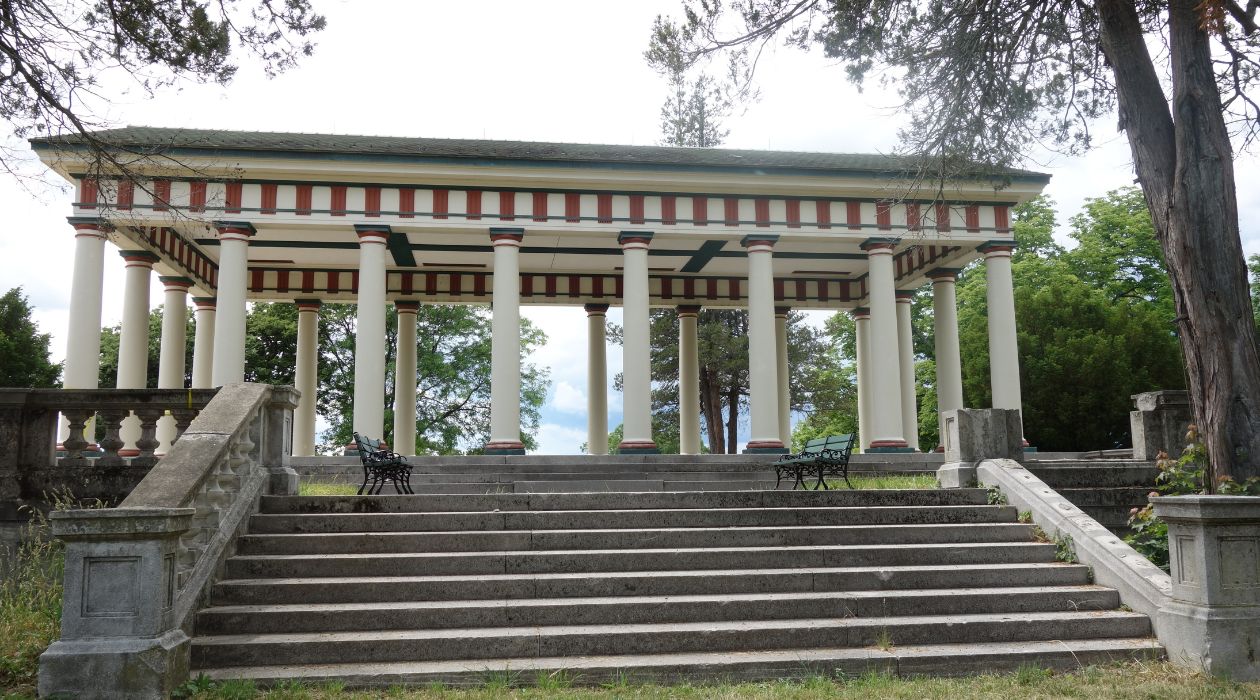
Saturday, Aug. 1, 2026, 12 p.m., at College Hill Park, Poughkeepsie
On Aug. 2, 1858, celebrated abolitionist, activist, writer and orator Frederick Douglass delivered an inspirational speech to a crowd of 4,000 people at the Collegiate School in Poughkeepsie (now College Hill Park). In this highly anticipated appearance, Douglass — who had escaped bondage in Maryland and went on to become an iconic figure in the antislavery and women’s suffrage movements of the 19th century — implored the audience to demand justice and end slavery in the United States. In commemoration of this important event, the City of Poughkeepsie and the nonprofit organization Celebrating the African Spirit have teamed up to present the annual Frederick Douglass Day celebration on the site of his impassioned speech. At this annual event, music, food and performances will honor the significance of Douglass' speech and applaud the local people who were in attendance and witnessed history that day 165 years ago.
For more great information about local African American history, be sure to check out these valuable resources:
• The Mid Hudson Antislavery History Project and its book “Slavery, Antislavery and the Underground Railroad: A Dutchess County Guide.”
• The Dutchess County Historical Society and its Poughkeepsie Equality Trail.